
The Science into Practice Library
Online professional learning for every role in education
Build shared understanding. Embed it in everyday practice.
Connect the neuroscience of belonging, emotions, habits, bullying, behaviour, attendance, disengagement and re-engagement with practical tools to strengthen emotional literacy, regulation and learning, from the school's front office to the classroom, leadership team and wider education system.
Flexible, affordable online professional learning for one person, a whole school or an education system. Start with a single module or plan a year of learning around your people and priorities.
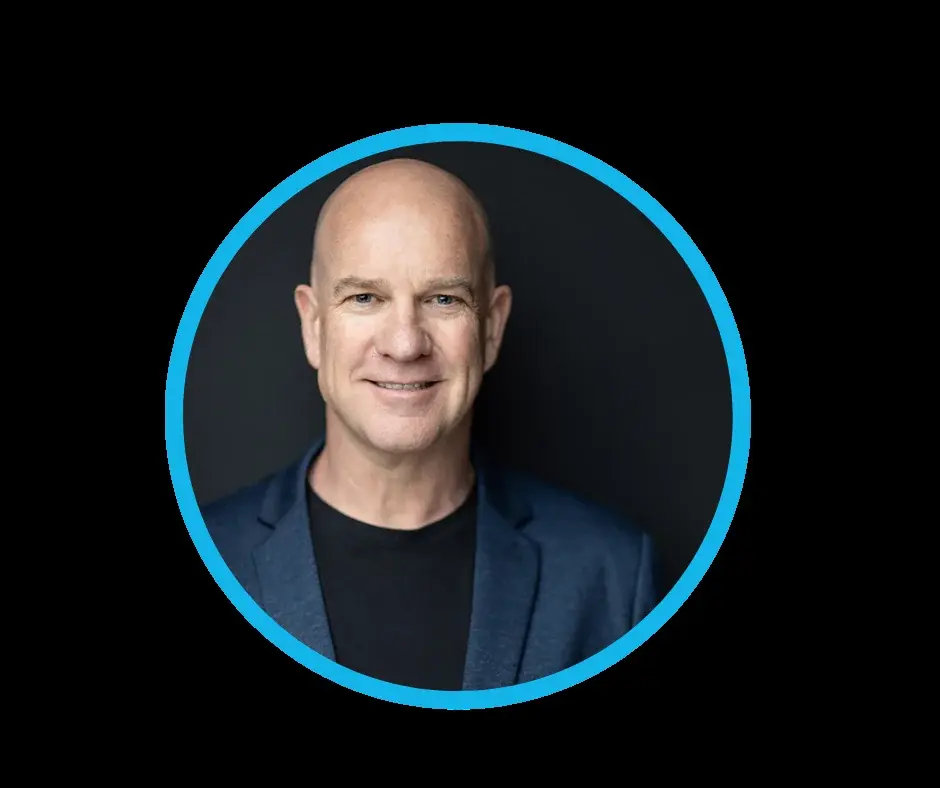

Created and delivered by Dr Mark Williams OAM and Nikki Bonus, each bringing more than 25 years of expertise in their respective fields. Their partnership combines neuroscience research with decades of designing, delivering and applying learning in schools.
- 25+ years
of neuroscience research and teaching - 25+ years
of practical education experience - 1,000+ schools
co-designed Life Skills GO
Staff need practical responses now, with little time to add more.
50% off if booked before 20 December. Lessons of 15 minutes or less. Start with one module, assign by role and build out over a term or the year.
Consistent approaches are hard to build across many campuses.
One shared foundation and a common language, so every school works from the same understanding.
Expert learning rarely reaches every location and every role equally.
Flexible online delivery reduces travel and gives every school and role the same expert learning. Bespoke programs on request.
Respond to today's challenges. Build the understanding to change what happens next.
Staff need practical responses they can use now, alongside an understanding of the factors contributing to what they see. Professional learning must help them connect the two.
- Behaviour incidents
- Declining attendance
- Disengagement
- Overwhelmed students
- Emotion and stress
- Relationships
- Attention
- Belonging
- Recognise the whole young person
- Respond earlier
- Strengthen the conditions around them
This library explores how emotion, stress, relationships, attention and belonging influence a young person's capacity to participate, learn and engage, and translates that knowledge into practical tools, informed decisions and shared approaches.
A common language starts with shared adult understanding.
We ask students to recognise emotions, communicate their needs and develop regulation skills. The adults around them also need a shared understanding of why those skills matter and how to support their development.
When classroom staff, support teams, leaders and the people supporting schools learn from a common foundation, their responsibilities differ, but their approaches can reinforce one another.
- The evidenceUnderstandable
- The scienceRelevant
- The applicationClear
Two complementary areas of expertise. One connected approach.
Together, Mark and Nikki connect the scientific explanation with practical ways to act on it.
Learning that gives you somewhere to start immediately.
Explore the evidence, understand its relevance and identify what you can apply in your own role.
Connection and belonging
Examine the interactions, relationships and routines that help young people feel recognised, included and able to participate.
Emotional literacy and regulation
Develop practical ways to help young people recognise emotions, communicate needs and build regulation skills, including how adults can support them when they are overwhelmed.
Behaviour and engagement
Consider the factors beneath a behaviour, maintain clear expectations and respond with greater understanding of the young person and their circumstances.
Attention, memory and learning
Connect neuroscience with the environments, experiences and teaching practices that support learning.
Early recognition and coordinated support
Notice changes in participation, relationships and engagement, and work with the appropriate people to consider what support is needed.
Whole-school culture and leadership
Explore how shared language becomes shared practice through consistent expectations, supportive leadership and opportunities to apply and review learning.
Modules in the library
Every lesson 15 minutes or less- The Neuroscience of Learning
- Attention in a Distracted World
- Learning Through Error and Feedback
- Memory, Consolidation and Exam Performance
- The Neuroscience of Sleep
- The Neuroscience of Emotions
- Understanding Me
- Supporting Anxious and Overwhelmed Students
- Seeing the Whole Child
- Bullying, Belonging and Group Behaviour
- Habits: The Science of Building Better Behaviour
- Behaviour, Disconnection and Re-engagement
- From Early Signals to Coordinated Support
- Connection Is Our Superpower
- Transition and the Brain
- Leading a School That Sees Every Child
- Seeing Across Schools
- From Lagging Indicators to Earlier Insight
- Screens, Smart Phones Making Us Dumb
- Rethinking Technology in Schools
Make professional learning the beginning of sustained culture change.
Culture develops through repeated interactions, decisions and practices. Professional learning can provide the starting point when people have opportunities to use it together.
- Establish a shared foundation across staff.
- Choose learning relevant to different roles and priorities.
- Use team discussions to agree on practical applications.
- Give staff time to try, reflect and revisit.
- Review participation alongside how practice is developing.
From the first interaction at reception to classroom responses, student support meetings and leadership decisions: a more connected experience for young people, and better support for the adults around them.
Your priorities. Your people. Your timetable.
Plan professional learning around the realities of your school year.
Design the year in advance
Sequence modules across terms to support school priorities, staff development and implementation.
Assign learning by role or need
Select relevant modules for an individual, a team, or staff supporting a particular class or year level.
Schedule the same module at different times
Give teams access when it suits their responsibilities and classroom commitments.
Start with one module
Address a specific priority, then extend the learning as your needs develop.
Learn individually and together, or design your own delivery
Combine flexible independent learning with staff meetings, team conversations and shared reflection.
Track participation and completion
See who has completed assigned learning and where follow-up is needed. Use this alongside discussion and observation to review how learning is being applied.
Completion shows participation. Reviewing practice helps you understand what is changing.
Expert access, at the scale you need.
Purchase learning for one teacher or staff member, a whole school, a network, cluster or diocese, or across a district, region, state, territory or education system.
Flexible online delivery reduces the need for travel and makes expert learning accessible across locations. Choose the scope that fits your priorities and budget.
| Online, flexible delivery |
Start small
One person or a teamA single module or a few |
Most schools
Whole schoolStart with a module or two, or take the whole
library. Build it out for a term, a couple of terms or
a year of learning for every role. |
Many schools
Network, diocese or systemCluster, district, region, state or territory |
|---|---|---|---|
| Modules | The ones you choose | A module or two, or the whole library, for a term or the full year | Shared across every school |
| Assign by role or need | Yes | Yes | Yes |
| Learn individually and together, or design your own delivery | Yes | Yes | Yes |
| Track participation and completion | Yes | Yes | Yes |
| 50% off if booked before 20 December | 50% off | 50% off | 50% off |
| Bespoke learning by Nikki and Mark | For systems | For systems | On request |
How your program comes together
Nikki and Mark can also develop bespoke professional learning on request, tailored to your context, workforce and implementation priorities.
- 1Share your needsTell us about your schools, staff and priorities in a short form.
- 2Talk it throughA scoping conversation to understand your context, workforce and goals.
- 3Review your proposalWe prepare an overview, quote and intended learning outcomes for you and your approvers to review.
- 4Launch with supportOnce approved, we help you set up access, schedule modules and assign learning by role.
Claim 50% off if you book before 20 December
Tell us who the learning is for and which modules interest you. We will email pricing tailored to your school or organisation.
Planning a conference or event?
Book a meeting with Nikki Bonus.
Questions schools ask
Do we need to use the Life Skills GO platform?
No. The library is available to schools and education organisations, whether or not you use Life Skills GO.
How long does each lesson take?
Every lesson takes 15 minutes or less, so it fits into a staff meeting, a planning session or a quiet moment in the day.
Can we learn as a whole staff?
Yes. Run lessons together as a group, then let staff continue independently. Most schools do both.
Can leaders see what has been completed?
Yes. Leaders can see who has completed assigned learning and where follow-up is needed, by person, role and team.
Can relief teachers, support staff, administration teams and teaching assistants take part?
Yes. Every adult in a school shapes how a young person feels and learns, from the front office to the classroom. The library is built for every role.
Does it count towards professional learning hours or teacher registration?
Every module provides a certificate of completion with the learning time recorded, which teachers can use as evidence towards their professional learning hours. Each teacher should check the requirements of their own registration authority.
How is it priced?
Pricing depends on the number of people and the modules you choose. Book before 20 December and every plan is 50% off, from a single module to the whole library. Request pricing for your school, or talk to us about a network or system program.
Planning for a network, diocese or system?
Put your 2027 professional learning plan in place.
Give your people access to the science, practical tools and shared understanding to support young people more consistently.
50% off if booked before 20 December
Choose a module, build a year-long plan or speak with us about learning across multiple schools.
Available for schools and education organisations, whether or not you use Life Skills GO.